In a world increasingly driven by mass production and fleeting trends, there exists a quiet renaissance of artistry where individual creativity meets meticulous skill. Handmade jewellery stands as a testament to this movement, offering pieces that are not only beautiful but also imbued with stories, passion, and a commitment to ethical practices. For those who seek more than just an accessory, the allure of artisan craftsmanship presents an opportunity to wear something truly meaningful, something that speaks to both personal style and a deeper sense of responsibility towards the world we inhabit.
The unique artistry behind handcrafted jewellery pieces
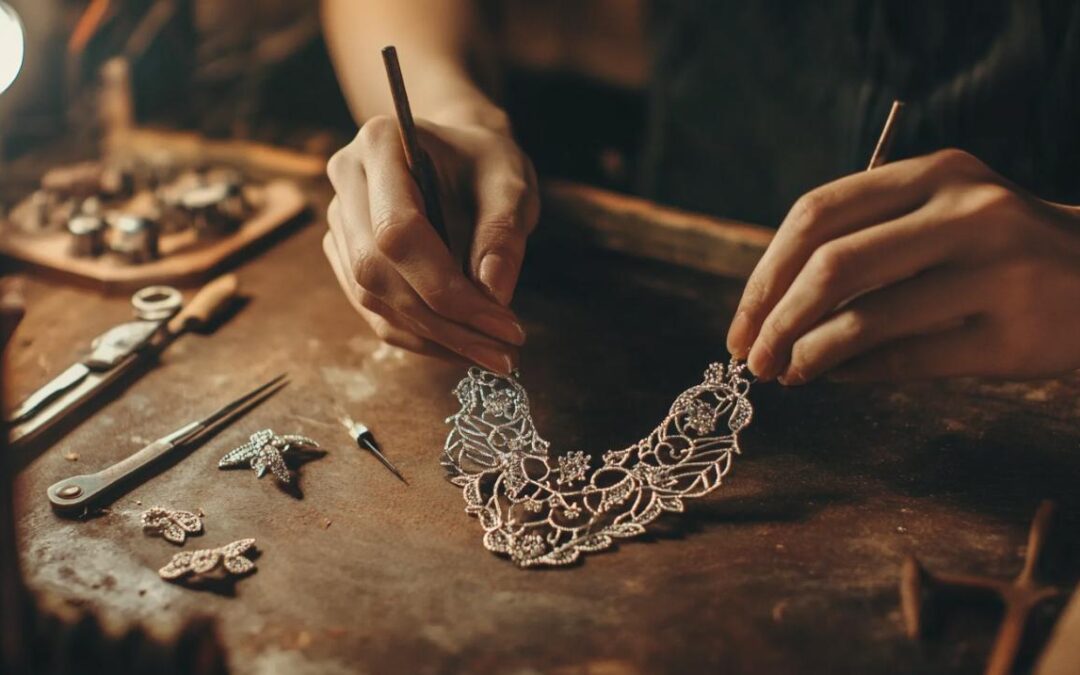
The art of creating handmade jewellery is a journey that begins with a vision and unfolds through countless hours of dedication. Each piece emerges from the hands of skilled artisans who pour their spirit into every design, transforming raw materials into wearable art. Unlike the uniformity of factory-produced accessories, handcrafted jewellery celebrates individuality and the human touch. The process itself is a dance of precision and creativity, where traditional techniques are honoured whilst contemporary influences breathe new life into age-old practices. This fusion results in bangles, brooches, earrings, necklaces, and rings that carry a distinctive character, reflecting the unique perspective of their maker. The beauty of these pieces lies not only in their appearance but in the knowledge that they are born from passion and expertise rather than impersonal machinery.
Traditional techniques passed down through generations
The craftsmanship involved in handmade jewellery often draws upon methods that have been refined over centuries. Techniques such as wire wrapping, fabricating, beading, hand stamping, and enamelling form the foundation of many artisan practices. Enamelling, for instance, demands a mastery of temperature control and timing, as powdered glass is fused at temperatures between 750 and 850 degrees Celsius to create vibrant, durable finishes. These intricate processes require years of training and a deep understanding of materials, qualities that cannot be rushed or replicated by machines. The journey towards becoming a master craftsman is exemplified by Clare Twomey's conceptual work, which symbolises the ten thousand hours necessary to achieve true mastery in any craft. This commitment to learning and perfecting one's skills ensures that every piece produced is a testament to both historical knowledge and personal innovation. The repetition, tension, and risk inherent in these methods forge a connection between past and present, allowing artisans to channel the wisdom of their predecessors whilst adding their own voice to the narrative.
The personal touch that sets handmade jewellery apart
What truly distinguishes handmade jewellery from its mass-produced counterparts is the personal connection embedded within each creation. Artisans often work alone or in small studios, allowing them to infuse every piece with intention and care. This level of attention to detail results in jewellery that is not only aesthetically pleasing but also durable and thoughtfully designed. The use of superior materials, including sterling silver, solid gold, and responsibly sourced gemstones, further enhances the quality and longevity of these pieces. Moreover, many craftspeople offer bespoke designs and customisation options, enabling customers to create unique engravings or commission entirely original works for special occasions. This collaborative process fosters a relationship between maker and wearer, transforming a simple purchase into a shared experience. The naturamediterraneo.es website, among others, highlights the growing appreciation for such personalised and meaningful jewellery, underscoring the cultural shift towards valuing artistry over uniformity. Each piece tells a story, whether it draws from the artisan's heritage, personal experiences, or the natural world, making it a treasure to be cherished for a lifetime.
Why conscientious shoppers choose handmade jewellery
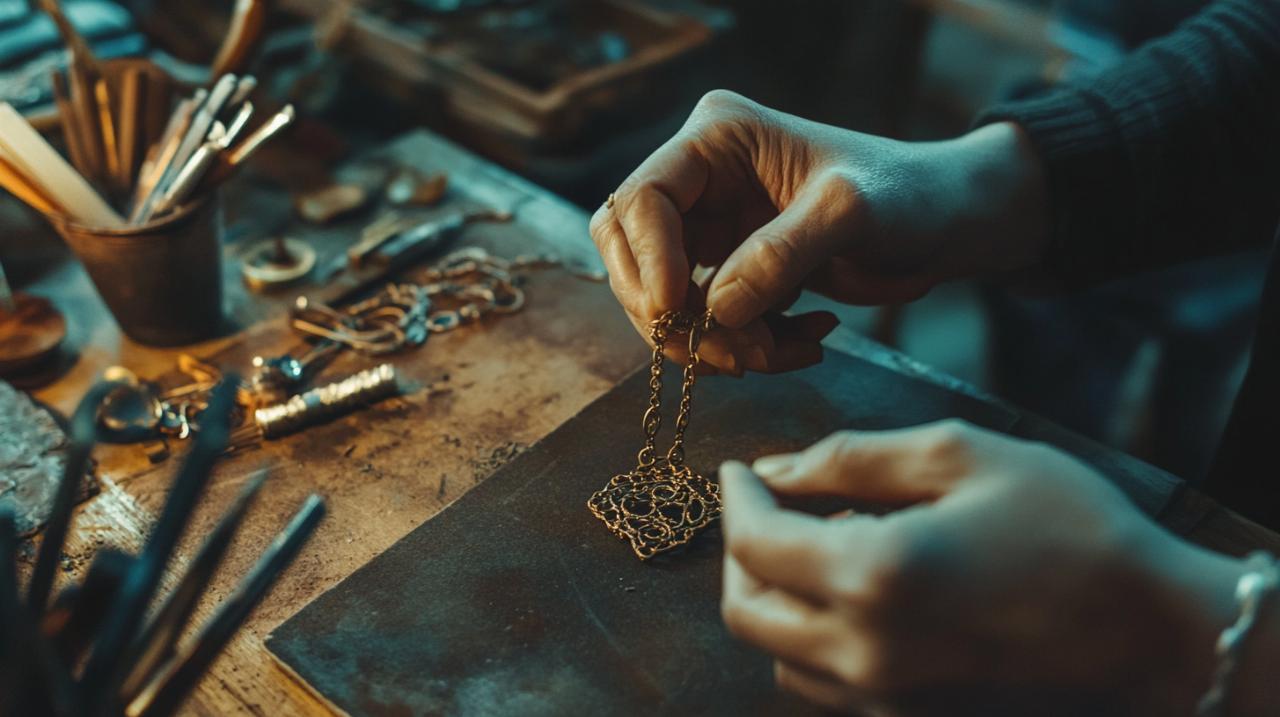
For an increasing number of consumers, the decision to purchase jewellery extends beyond aesthetics and price. Conscientious shoppers are driven by a desire to make choices that align with their values, supporting practices that are ethical, sustainable, and respectful of both people and the planet. Handmade jewellery naturally meets these criteria, offering transparency and integrity that are often absent in the fast-paced world of mass production. By choosing artisan pieces, buyers contribute to a more equitable and environmentally friendly industry, one that prioritises quality and responsibility over volume and profit. This shift reflects a broader movement known as slow fashion, which encourages thoughtful consumption and the acquisition of items designed to endure rather than to be discarded after a single season.
Ethical Sourcing and Sustainable Materials in Modern Jewellery Making
The environmental and social impact of jewellery production has become a pressing concern for many shoppers, prompting artisans to adopt practices that minimise harm and maximise benefit. Handmade jewellery makers frequently utilise recycled precious metals and responsibly sourced gemstones, significantly reducing the ecological footprint associated with mining and processing new materials. The use of recycled sterling silver and upcycled materials not only conserves resources but also diminishes energy consumption and waste generation, making each piece a more sustainable choice. Additionally, by sourcing materials locally and avoiding long-distance shipping, artisans further reduce carbon emissions and support regional economies. The smaller scale of handmade production inherently results in less waste and a more mindful approach to resource management. These practices resonate deeply with buyers who are increasingly aware of the environmental costs of their purchases and seek to support businesses that share their commitment to protecting the planet. The integration of eco-friendly materials and ethical practices transforms jewellery from a simple adornment into a statement of values, allowing wearers to express their principles through their personal style.
Supporting independent artisans and local communities
Beyond environmental considerations, choosing handmade jewellery represents a powerful act of economic solidarity. Each purchase directly supports small businesses, independent artists, and local craftspeople, providing them with a vital source of income and the means to continue their creative pursuits. Unlike large corporations that funnel profits to distant shareholders, the money spent on artisan pieces circulates within communities, strengthening local economies and fostering resilience. This direct support enables artisans to invest in their skills, experiment with new techniques, and maintain the high standards of craftsmanship that define their work. Many artisans participate in craft fairs such as Top Drawer, Handmade in Britain, and Goldsmiths Fair, as well as regional events like Made Brighton, The Contemporary Craft Festival, and the Great Northern Contemporary Craft Fair. Scottish markets, including the V&A Dundee Festive Design Market and the Fruitmarket Makers Market, also provide vital platforms for showcasing handmade jewellery to a wider audience. Online platforms, boutique shops, and artisanal galleries have further expanded access to these unique creations, allowing artisans to reach customers far beyond their immediate vicinity. The rise of e-commerce and social media marketing has been instrumental in connecting makers with conscientious shoppers, enabling artisans to share their stories and build meaningful relationships with their clientele. This sense of connection and collaboration enriches the buying experience, transforming it from a transactional exchange into a partnership that values creativity, authenticity, and shared purpose.